Can Foreigners Lease Land in Thailand? What to Know Before Signing

Yes. Foreigners can generally lease land, houses and villas in Thailand. For many foreigners, a long-term lease can be a practical option when they want to use a property without owning the land.
However, there is an important point to consider: the lease should be a genuine rental arrangement, rather than being used as a way to effectively purchase the property.
CONTACT US FOR FREE CONSULTATION
Be Careful With Long-Term Lease Structures
Thailand has become increasingly strict in reviewing property transactions involving foreigners, particularly arrangements that may involve Thai persons holding land on behalf of foreigners.
This is especially important when a foreigner is effectively paying for a property as if they were buying it, while the transaction is documented as a long-term lease.
The overall structure, the rights given to the foreigner and the intention of the parties should therefore be carefully reviewed.
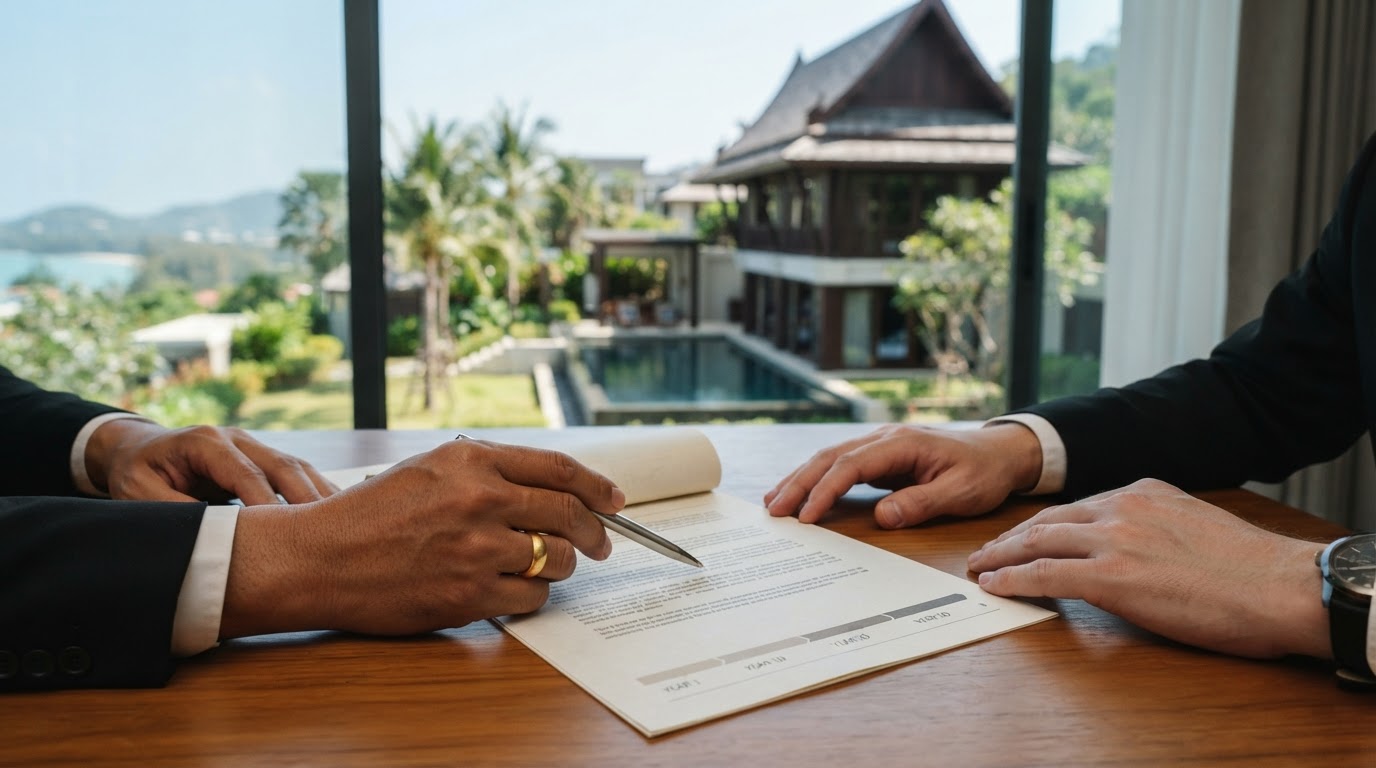
Why Payment Terms Matter
For a genuine long-term lease, the way rent is paid should also be considered carefully.
Instead of treating the transaction like a property purchase and paying the entire 30-year rental amount in one payment, the rent may be structured as monthly or annual payments, depending on the agreement and circumstances of the transaction.
This helps the payment arrangement reflect a normal landlord-and-tenant relationship, where the foreigner pays rent for the right to use the property.
The important point is not simply whether payment is made monthly, annually or upfront. The substance of the transaction should be a genuine lease.
A payment structure by itself does not determine whether a transaction is a nominee arrangement or an improper transaction. The actual agreement, ownership structure, source of funds, rights granted to the foreigner and intention of the parties should all be considered.
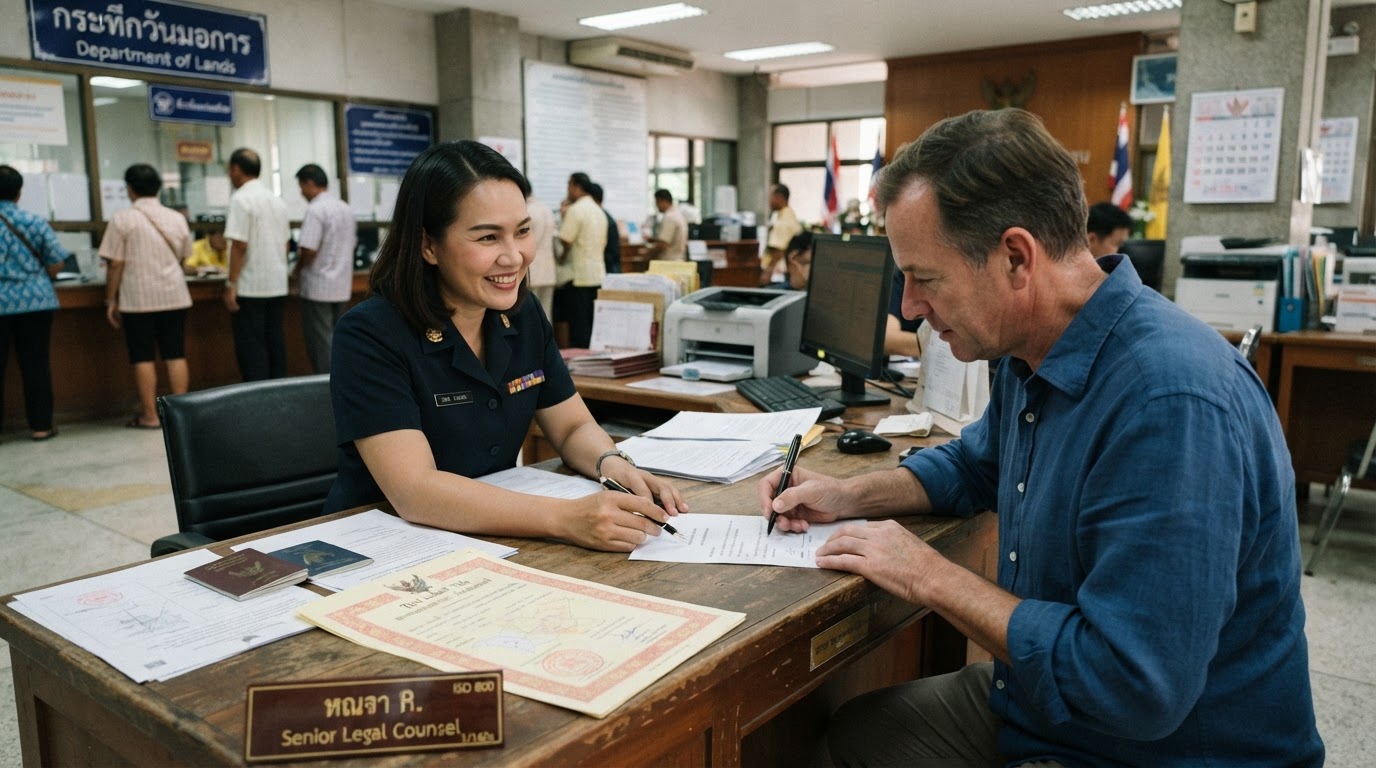
What Should You Check Before Signing?
Before entering into a long-term lease, we recommend checking:
- Who legally owns the land
- Whether there are existing mortgages or encumbrances
- Whether the landlord has authority to lease the property
- How the rent and other payments are structured
- Whether the lease should be registered
- What rights the foreigner receives under the agreement
- What happens when the lease ends
For leases exceeding three years, the registration requirements should also be considered.
The Bottom Line
A long-term lease can be a legitimate way for a foreigner to use land, a house or a villa in Thailand.
However, the transaction should be structured and documented as a genuine lease, rather than being used as a way to effectively purchase the property.
If you are considering a long-term lease, having the transaction reviewed by a Thai property lawyer before making a substantial payment can help identify potential legal and structural issues.
Thai Property Lawyer assists foreign clients with property due diligence, lease agreements and Land Office registration in Thailand.
👉 Get a Free Consultation with Thai Property Lawyer