How can foreigners legally own land in Thailand? Complete guide to leasehold, usufruct, superficies, Sap-Ing-Sith
Thailand’s land ownership laws are strict but there are four legally recognized structures that give foreigners full rights to use, build on, and benefit from Thai land. This guide explains each option clearly and helps you decide which one fits your situation.
CONTACT US FOR FREE CONSULTATION
The reality of foreign land ownership in Thailand
Under the Thai Land Code Act, foreigners are prohibited from owning land outright. This is a hard rule with no exceptions regardless of how long you have lived in Thailand, your visa status, or whether you are married to a Thai national.
However, Thai law recognizes four distinct property rights structures that allow foreigners to legally secure long-term rights over land rights that are registered at the Land Department and fully enforceable in Thai courts.
Many foreigners put property solely in a Thai partner’s name without any legal agreement. If that relationship breaks down – through divorce, death, or dispute – the foreigner has no legal recourse and can lose everything overnight.
The four structures below eliminate that risk entirely.
1.Leasehold – rent the land for up to 30 years
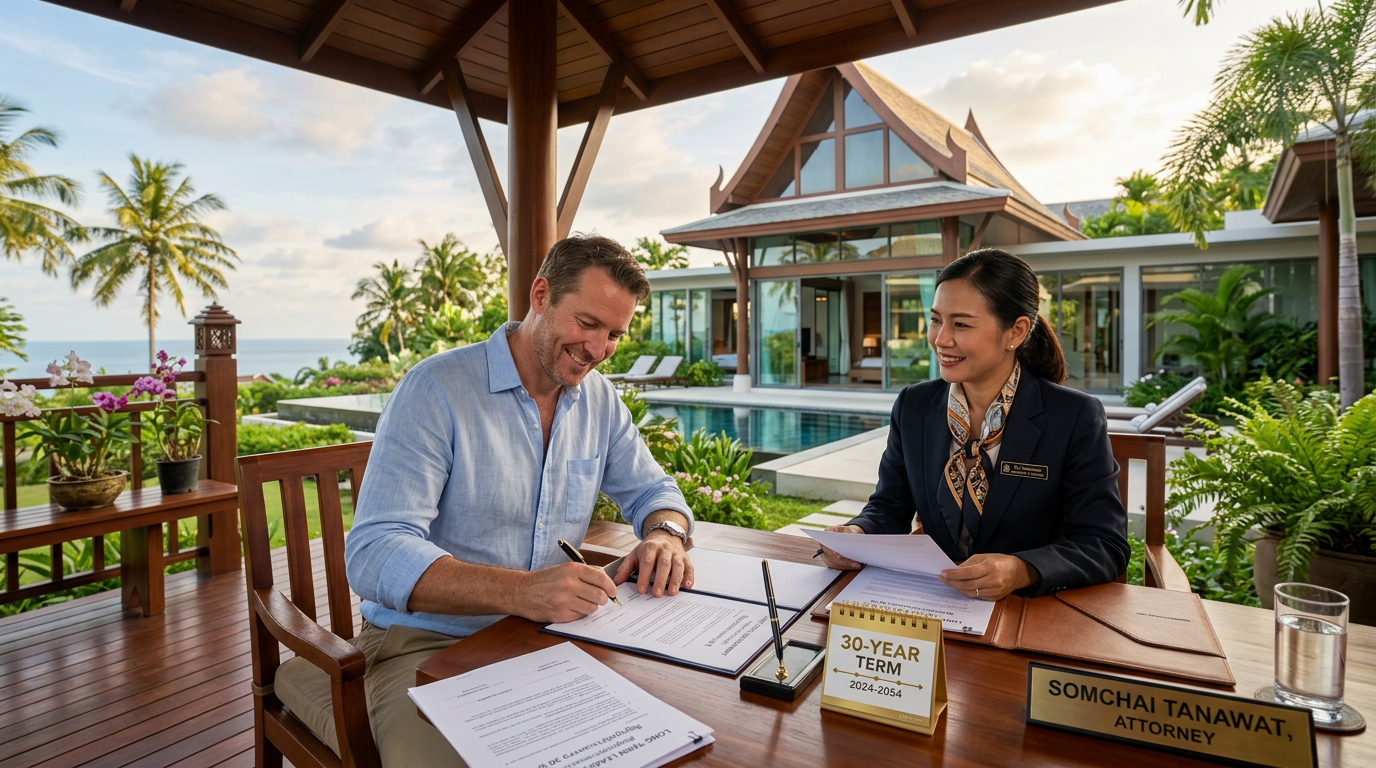
A leasehold is the most commonly used structure for foreigners in Thailand. Under a registered lease, you have the legal right to occupy and use the land for a defined period typically 30 years with the option to include renewal clauses for an additional 30 years.
Once registered at the Land Department, the lease is attached to the title deed and binds any future owner of the land. Even if the Thai landowner sells the property, your lease remains in full force.
2.Usufruct – live on the land for life
A usufruct (สิทธิเก็บกิน) grants you the right to use and benefit from a piece of land – including any structures on it – for the duration of your lifetime, or for a set period up to 30 years. Unlike a lease, a lifetime usufruct has no expiry date.
A registered usufruct cannot be cancelled by the landowner unilaterally. It survives a change of ownership – meaning even if the Thai owner sells or passes away, you retain your rights. You may also sublease the property to generate rental income.
3.Superficies – own the building, not the land
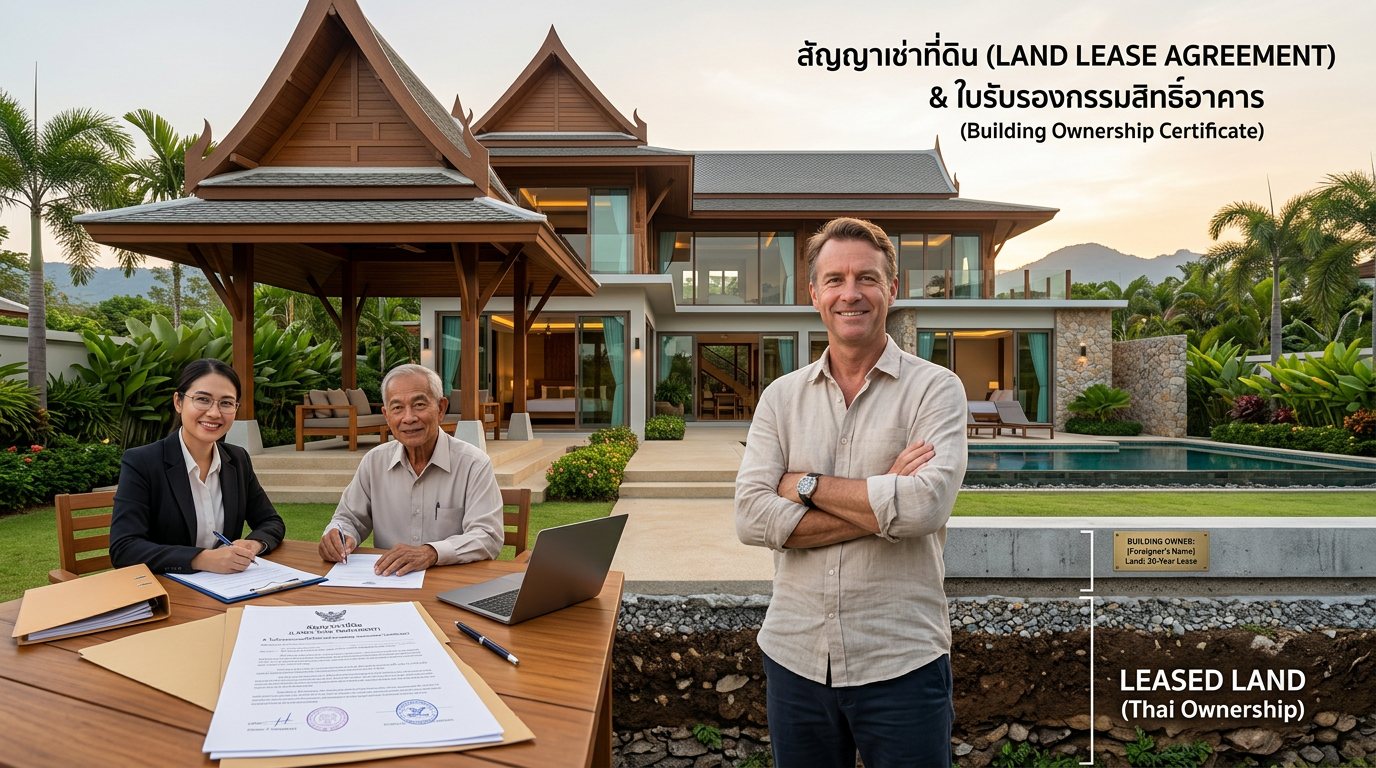
A right of superficies (สิทธิเหนือพื้นดิน) separates ownership of structures from ownership of the land beneath them. Under this arrangement, a foreigner can legally own any buildings, houses, or improvements they construct on Thai land – while the land itself remains in Thai hands.
This structure is particularly powerful when combined with a leasehold or usufruct – the leasehold secures your right to occupy the land, while the superficies formally establishes your ownership of the structure built on it.
4.Sap-Ing-Sith- a real property right that can be inherited, sold, and used as loan security
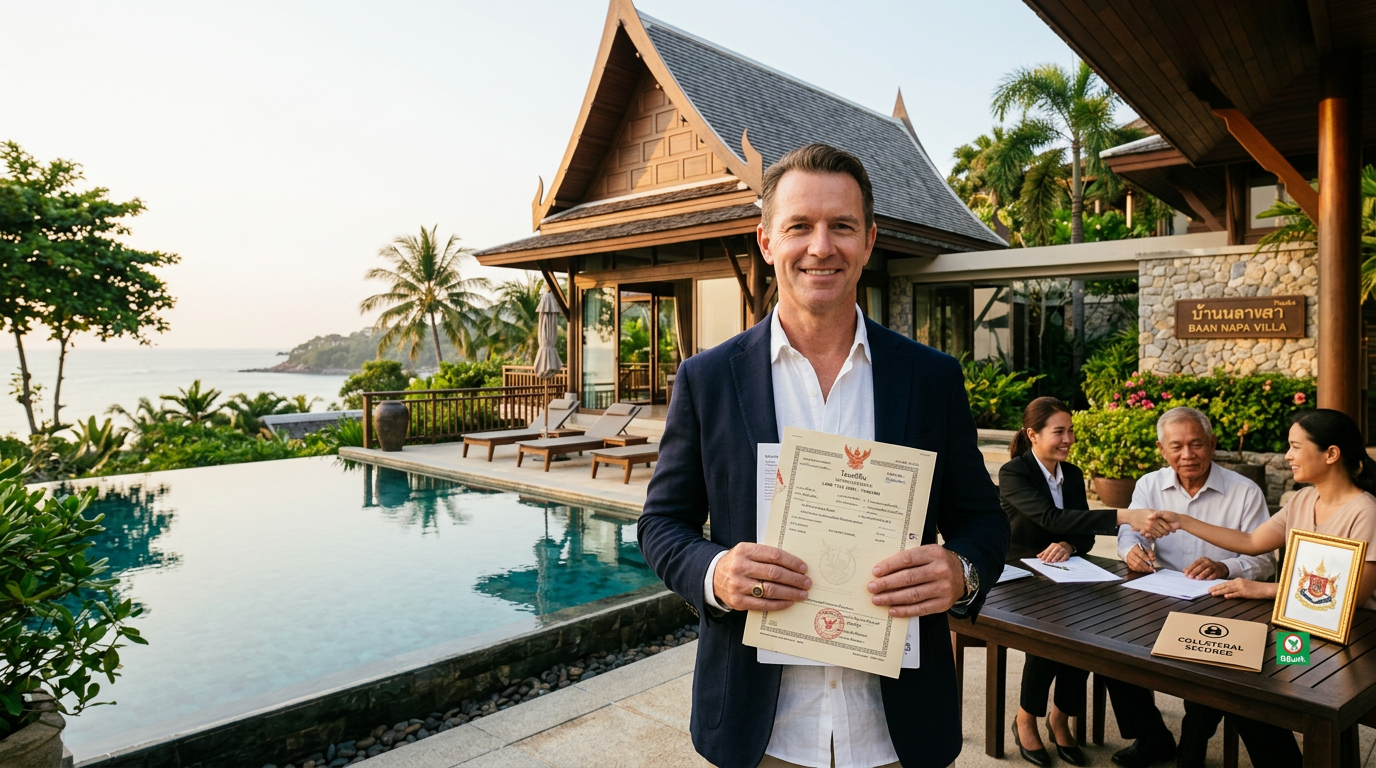
Sap-Ing-Sith (ทรัพย์อิงสิทธิ) was introduced by the Sap-Ing-Sith Act B.E. 2562 (2019) and represents a significant step forward in Thai property law for foreigners. Unlike a lease or usufruct, it is a true registered real right – meaning it functions closer to ownership than any other option available to non-Thai nationals.
The Sap-Ing-Sith holder can transfer or sell their rights to a third party without the landowner’s consent, use the rights as security for a mortgage, pass the rights to heirs under inheritance law, and make renovations to the property without approval from the owner – all while the right is registered directly under the foreigner’s name at the Land Department.
The landowner cannot sell or transfer the land without the written consent of the Sap-Ing-Sith holder, providing an additional layer of protection not available under a standard lease
Not sure which structure fits your situation?
Every property situation is different. Our property lawyers specialize in helping foreigners and foreign-Thai couples secure their homes in Thailand – from structure selection and contract drafting to full Land Department registration.
CONTACT US FOR FREE CONSULTATION
Frequently asked questions
Can a foreigner own a condo outright in Thailand?
Yes — foreigners can hold freehold title to a condo unit as long as the foreign ownership quota does not exceed 49% of the building.
Is a 30+30 year lease legally enforceable?
Renewal promises only bind the original parties — not future owners of the land. Always have a lawyer draft renewal clauses carefully before signing.
What makes Sap-Ing-Sith better than a standard lease?
Sap-Ing-Sith is a real right registered on the title deed. It can be inherited, transferred without the owner’s consent, mortgaged, and the holder can renovate without asking permission from the landowner.
What happens to my usufruct if my Thai partner dies?
A registered usufruct survives a change of ownership — heirs cannot remove you. Pair it with a Thai will to protect your other assets separately.
Can I combine multiple structures?
Yes — a common combination is leasehold paired with superficies, giving you the right to occupy the land and clear ownership of any structure you build on it.